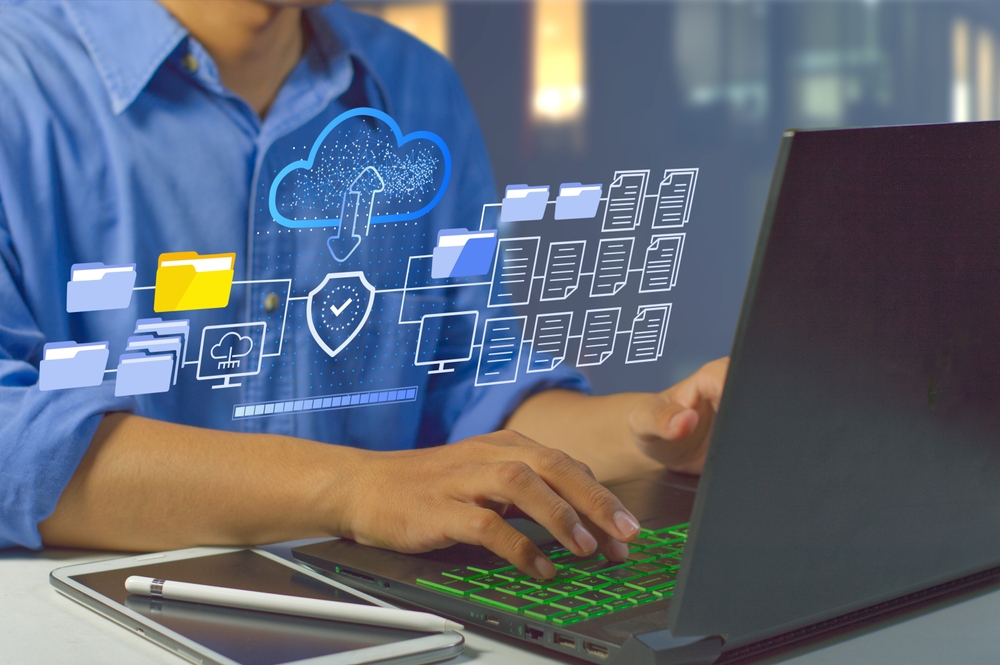
The 2025 Guide to a Smooth ERP System Migration

Migrating to a new enterprise resource planning (ERP) system can be a daunting process, but with careful planning and execution, it can also be an opportunity to modernize your business operations and improve productivity.

Whether you’re upgrading an outdated system or adopting an ERP solution for the first time, you want to ensure you experience a smooth transition. Here’s your 2025 guide to ERP system migration, covering everything from pre-migration planning to post-migration follow-up.

Pre-Migration Planning

Proper planning lays the foundation for a successful ERP migration. Key steps include:

  • Assess Business Needs: Identify specific challenges your current system cannot address. Engage stakeholders from various departments to understand their requirements and prioritize features that align with your business goals.
  • Choosing the Right ERP System: Evaluate ERP solutions based on scalability, functionality, and integration capabilities. Consider factors like industry-specific features, cloud versus on-premise deployment, and vendor reputation. Selecting the right system ensures it meets your needs now and in the future.
  • Creating a Detailed Migration Roadmap: Develop a step-by-step plan that outlines timelines, responsibilities, and key milestones. Include contingency plans to address potential risks or delays. A well-defined roadmap keeps the migration process organized and minimizes disruptions.

Data Transfer

Data is the backbone of any ERP system, so ensuring its quality and accuracy is critical. Follow these steps for effective data migration:

  • Cleaning Up Legacy Data: Before transferring data, eliminate duplicates, outdated records, and inaccuracies. Standardize formats to ensure consistency across the new system.
  • Ensuring Compatibility: Verify that your legacy data is compatible with the new ERP system. This may involve reformatting files or mapping fields to align with the new structure.
  • Securely Migrating Data: Use secure transfer protocols to protect sensitive information during the migration process. Perform incremental data transfers to reduce the risk of loss or corruption and ensure a smooth transition.

Post-Migration Testing and Training

Once your new ERP system is in place, the work isn’t over. Proper testing and training are essential to fully realize its benefits:

  • Rigorous System Testing: Conduct thorough testing to ensure the system is functioning as expected. Test workflows, integrations, and reporting features to identify and resolve any issues before full deployment.
  • Comprehensive Employee Training: Provide hands-on training sessions to familiarize employees with the new system. Tailor training to specific roles to ensure users can effectively perform their tasks. Supplement training with user manuals, FAQs, and ongoing support.
  • Monitoring and Optimization: After deployment, monitor system performance and gather feedback from users. Use this information to fine-tune processes, address any lingering issues, and ensure the system is meeting business needs.

Migrating to a new ERP system in 2025 doesn’t have to be overwhelming. With thorough pre-migration planning, careful data management, and robust post-migration support, your organization can achieve a seamless transition. By following best practices, you’ll not only avoid common pitfalls but also set the stage for greater efficiency, productivity, and growth in the years to come.

To get started with AccountMate, you need to work closely with experienced ERP consultants who can guide you through the selection and implementation process, ensuring that your ERP system aligns with your business’s immediate needs and long-term vision.

Are you considering a new ERP system? Contact our experts! We have local solution providers who can help you navigate the process. Contact us now or call 707-774-7537 to talk to someone about your specific needs.

5 ERP-Driven New Year’s Resolutions for Your Business

As we usher in the new year, it’s the perfect time to set resolutions that will elevate your business to new heights. Enterprise Resource Planning (ERP) offers powerful tools to transform the way businesses operate, making them an essential cornerstone for achieving these goals. Here are five ERP-driven New Year’s resolutions that can help your business thrive in 2025 and beyond.

1. Streamlining Business Processes

Efficiency is the backbone of any successful business, and an ERP system can help you eliminate bottlenecks, automate repetitive tasks, and optimize workflows. By integrating various business functions into a single platform, ERP ensures that your operations are seamless and streamlined. Imagine automating inventory tracking, order processing, or payroll management, all while reducing manual errors.

Resolution Tip: Start by identifying the most time-consuming and error-prone processes in your organization. Work with your ERP provider to configure automation solutions that save time and improve accuracy.

2. Increasing Data-Driven Decision-Making

Your ability to make informed, real-time decisions is crucial. ERP systems provide centralized access to data, enabling businesses to generate detailed analytics and reports. From financial trends to customer insights, an ERP system ensures you have the right information at your fingertips to make smarter decisions.

Resolution Tip: Leverage ERP dashboards and reporting tools to track things like revenue growth, inventory turnover, or customer satisfaction. Use these insights to adjust your strategies dynamically throughout the year.

3. Improving Collaboration Across Teams

Silos within organizations hinder productivity and growth. An ERP system fosters better communication and collaboration by offering a unified platform for all departments. Whether it’s finance, sales, or operations, everyone works with the same data, ensuring consistency and transparency.

Resolution Tip: Use ERP’s collaborative tools to centralize project management and communication. Encourage cross-departmental training on ERP features to ensure everyone maximizes its potential.

4. Strengthening Customer Relationships

Your customers are the lifeblood of your business, and maintaining strong relationships with them is essential for growth. ERP systems often include Customer Relationship Management (CRM) modules that help you track interactions, manage customer data, and personalize experiences. This can lead to higher satisfaction and loyalty.

Resolution Tip: Use your ERP’s CRM features to segment your customers based on preferences or purchase history. Implement targeted marketing campaigns and personalized communications to show customers you value them.

5. Securing Business Growth with Scalability

As your business grows, so do its complexities. An ERP system ensures that your infrastructure can scale with you. Whether you’re expanding into new markets, adding more employees, or diversifying your product offerings, ERP systems are built to handle increased demands.

Resolution Tip: Periodically review your ERP’s capabilities and upgrade as needed to support growth initiatives. Look for modules or add-ons that can address specific business challenges as they arise.

The new year is a time for reflection and ambition, and incorporating ERP-driven resolutions can set your business on a trajectory for success. By streamlining processes, improving decision-making, cultivating collaboration, strengthening customer relationships, and planning for growth, your business will be better equipped to tackle the challenges and opportunities of 2025.

Are you ready to make these resolutions a reality?

To get started with AccountMate, you need to work closely with experienced ERP consultants and vendors who can guide you through the selection and implementation process, ensuring that your ERP system aligns with your business’s immediate needs and long-term vision.

Are you considering a new ERP system? Contact our experts! We have local solution providers who can help you navigate the process. Contact us now or call 707-774-7537 to talk to someone about your specific needs.

How Will Artificial Intelligence Impact ERP Systems?

The integration of Artificial Intelligence (AI) into Enterprise Resource Planning (ERP) systems is poised to revolutionize how businesses manage their operations. There is a lot of buzz around how AI will impact all businesses, and ERP software is not exempt from the conversation. But there is still a lot of debate around what kind of role AI can and will play when it comes to business automation.

AI is posed to transform ERP systems from mere transactional platforms to intelligent systems capable of predictive analytics, process automation, and enhanced decision-making. Let’s explore the various ways AI can impact ERP systems and the benefits it can bring to businesses.

Enhanced Decision-Making

One of the most significant impacts of AI on ERP systems is its ability to enhance decision-making. AI algorithms can analyze vast amounts of data from various sources within the ERP system to identify patterns, trends, and correlations that might not be immediately apparent to human analysts. This can provide managers and executives with deeper insights and more accurate predictions, enabling them to make informed decisions quickly.

Predictive Analytics

AI-powered predictive analytics is a game-changer for ERP systems. By leveraging machine learning (ML) and data mining techniques, AI can forecast future trends, such as demand fluctuations, sales performance, and inventory needs. This will allow businesses to plan proactively, optimize inventory levels, reduce costs, and improve customer satisfaction by ensuring product availability.

Automation of Routine Tasks

AI has the potential to enable the automation of repetitive and time-consuming tasks within ERP systems. Tasks such as data entry, invoice processing, order fulfillment, and inventory management can be an automated process using AI. This not only increases efficiency but also reduces the risk of human error and frees up employees to focus on more strategic activities.

Improved Customer Service

AI integration in ERP systems can significantly enhance customer service. AI-driven chatbots and virtual assistants can handle customer inquiries, process orders, and provide real-time support 24/7. AI tools have the ability to understand and respond to customer queries in a natural and intuitive manner, improving customer experience and satisfaction.

Personalization and User Experience

AI can potentially personalize the user experience within ERP systems by tailoring dashboards, reports, and recommendations based on individual user roles and preferences. This type of customization helps users access the most relevant information quickly, improving productivity and user satisfaction.

Advanced Analytics and Reporting

With AI, ERP systems can offer advanced analytics and dynamic reporting capabilities. AI can generate real-time reports and dashboards that update automatically as new data is available, providing up-to-the-minute insights into business performance.

Enhanced Security and Fraud Detection

AI can significantly enhance the security of ERP systems. Machine learning algorithms can detect unusual patterns and anomalies in data that may indicate fraudulent activities or security breaches. By continuously monitoring data and user behavior, AI can provide early warnings and help prevent potential threats.

Supply Chain Optimization

AI can optimize various aspects of the supply chain, from procurement to logistics. By analyzing data from multiple sources, AI can identify inefficiencies, predict supply chain disruptions, and recommend optimal routes and suppliers. This leads to cost savings, reduced lead times, and improved overall supply chain performance.

Benefits of AI-Enhanced ERP Systems

  1. Increased Efficiency: Automation of routine tasks and processes reduces manual effort, speeds up operations, and increases overall efficiency.
  2. Cost Savings: AI-driven optimizations lead to cost savings in various areas, including inventory management, supply chain operations, and customer service.
  3. Better Decision-Making: Enhanced analytics and predictive capabilities provide more accurate and timely information, enabling better decision-making.
  4. Improved Customer Satisfaction: AI-powered customer service tools and personalized experiences lead to higher customer satisfaction and loyalty.
  5. Scalability: AI-enhanced ERP systems can scale easily to handle growing data volumes and business complexity, making them suitable for businesses of all sizes.

Challenges and Considerations

While the benefits of AI integration in ERP systems are substantial, there are several challenges and considerations that businesses need to address:

  1. Data Quality: The effectiveness of AI depends on the quality of data. Businesses must ensure their data is accurate, clean, and well-organized.
  2. Integration: Integrating AI with existing ERP systems can be complex and may require significant changes to infrastructure and processes.
  3. Change Management: Implementing AI requires changes in workflows and employee roles. Effective change management and training are essential for successful adoption.
  4. Security and Privacy: AI systems handle sensitive data, making robust security measures and compliance with data privacy regulations crucial.
  5. Vendor Selection: Choosing the right ERP vendor is critical. Businesses should evaluate vendors based on their expertise, integration capabilities, and customer support.

AI is poised to have a profound impact on ERP systems, transforming them into intelligent platforms that can predict, automate, and optimize various business processes. By leveraging AI, businesses can achieve greater efficiency, cost savings, and enhanced decision-making. However, successful implementation requires careful planning, quality data, and a focus on change management. As AI technology continues to evolve, its integration with ERP systems will likely unlock even greater potential for innovation and growth.

It’s essential to work closely with experienced ERP consultants and vendors who can guide you through the selection and implementation process, ensuring that your ERP system aligns with your business’s immediate needs and long-term vision.

Are you considering a new ERP system? Contact our experts! We have local solution providers who can help you navigate the process. Contact us now or call 707-774-7537 to talk to someone about your specific needs.