Going Green? How ERP Software Supports Sustainability Goals in 2025

Sustainability is no longer just a buzzword; it’s a critical business priority. As organizations adopt environmentally friendly practices, enterprise resource planning (ERP) systems are emerging as powerful tools to support sustainability goals.

ERP software can help businesses align profitability with ecological responsibility. Here’s how ERP software is driving sustainability efforts in 2025.

Tracking Environmental Metrics

Measuring environmental impact is the first step toward meaningful sustainability efforts, and ERP systems are equipped with tools to track key metrics:

  • Carbon Footprints: Advanced ERP solutions can calculate the carbon emissions associated with business activities, such as manufacturing, transportation, and energy use. These insights enable companies to set reduction targets and monitor progress over time. With full access to the source code, businesses can tailor the AccountMate software to track carbon emissions from manufacturing, transportation, and energy use, generating custom reports that align with their sustainability goals. This flexibility enables companies to set carbon reduction targets, monitor progress, and make data-driven decisions for a greener future, all within their ERP system.
  • Energy Usage Monitoring: ERP systems integrate with IoT devices and energy management systems to provide real-time data on energy consumption. Businesses can use this information to identify inefficiencies and implement energy-saving measures.
  • Waste Management: By tracking waste generation and disposal, ERP software helps businesses identify areas where waste can be minimized, recycled, or repurposed, reducing their overall environmental impact.

Optimizing Supply Chain Sustainability

Supply chains are a significant contributor to a company’s environmental footprint. ERP software plays a crucial role in making supply chains more sustainable:

  • Sourcing Sustainable Suppliers: ERP systems provide visibility into supplier practices, enabling businesses to choose partners who prioritize sustainable sourcing, ethical labor practices, and minimal environmental impact.
  • Reducing Logistics-Related Emissions: By optimizing transportation routes, consolidating shipments, and using predictive analytics, ERP tools can help minimize fuel consumption and reduce greenhouse gas emissions.
  • Inventory Management: Accurate demand forecasting and inventory control reduce overproduction and excess stock, minimizing waste and the energy required for storage.

Paperless Processes and Digital Transformation

One of the simplest ways to support sustainability is by reducing paper usage, and ERP software excels at digitizing workflows:

  • Electronic Documentation: ERP systems replace traditional paper-based processes with digital invoices, purchase orders, and reports, significantly reducing paper consumption.
  • Cloud-Based Collaboration: Cloud-based solutions allow teams to collaborate in real time, eliminating the need for physical documents and enabling remote work, which further reduces environmental impact.
  • Eco-Friendly Workflows: Automation features in ERP systems streamline processes, such as payroll, inventory tracking, and procurement, reducing reliance on paper and improving operational efficiency.

By tracking environmental metrics, optimizing supply chains, and enabling paperless workflows, ERP software helps organizations balance their ecological responsibilities with operational efficiency. As sustainability becomes a core business strategy, leveraging the right ERP tools can ensure that your company remains competitive, compliant, and environmentally conscious in the years to come.

To get started with AccountMate, you need to work closely with experienced ERP consultants who can guide you through the selection and implementation process, ensuring that your ERP system aligns with your business’s immediate needs and long-term vision.

Are you considering a new ERP system? Contact our experts! We have local solution providers who can help you navigate the process. Contact us now or call 707-774-7537 to talk to someone about your specific needs.

Making Tariffs Less Taxing

The Role of Tariffs in U.S. Business

Tariffs have long been a key factor in international trade, affecting businesses that import goods into the United States. These government-imposed duties can significantly impact the cost of products, supply chain decisions, and overall profitability. Companies must decide how to handle tariff-related costs – whether to absorb them as expenses or incorporate them into product pricing. This decision should always be made in consultation with a financial professional, as it can influence financial statements and tax obligations.

For businesses using AccountMate, managing tariffs is straightforward and flexible. Whether a company chooses to capitalize or expense tariffs, AccountMate provides the tools to properly account for these costs, ensuring accurate financial reporting and cost tracking.

Capitalizing Tariffs Using Landed Cost in AccountMate

If a company decides to capitalize tariffs – meaning they add the cost of tariffs to the value of their inventory – AccountMate’s Landed Cost feature within the Purchase Order (PO) module makes this process seamless. The Landed Cost feature allows businesses to allocate the tariff costs in a way that best fits their operations, including:

  • By weight – Distributing the cost based on the weight of the imported items.
  • By item value – Allocating costs in proportion to the value of each item.
  • By user input – Allowing users to manually assign costs per item based on a variety of factors, including business strategy, supply chain considerations, and specific operational requirements.

By capitalizing tariffs, businesses can better reflect the true cost of their inventory, which may be beneficial for pricing and profitability analysis.

Expensing Tariffs Using AccountMate’s AP Module

For businesses that choose to expense tariff costs instead – meaning they treat it as an operational cost rather than adding it to inventory value – AccountMate’s Accounts Payable (AP) module provides an easy way to record these expenses. Using the AP Invoice Transactions function, companies can track tariff costs as an expense without affecting inventory valuation.

This approach may be preferable for businesses that want to separate tariff costs from inventory pricing, particularly when they view tariffs as an operational cost rather than a component of product value.

AccountMate’s Flexibility in Managing Tariffs

Regardless of how a company chooses to handle tariffs, AccountMate offers the flexibility to manage these costs efficiently. The system has long supported both capitalization and expensing methods, allowing businesses to adapt based on their accounting strategies. However, AccountMate does not dictate how tariffs should be handled – that decision is best made in consultation with a financial professional.

With AccountMate’s robust features, businesses can confidently manage tariffs while maintaining financial accuracy and compliance. Whether integrating tariffs into inventory costs or tracking them as expenses, AccountMate ensures companies have the tools they need to stay in control of their finances.

To get started with AccountMate, you need to work closely with experienced ERP consultants who can guide you through the selection and implementation process, ensuring that your ERP system aligns with your business’s immediate needs and long-term vision.

Are you considering a new ERP system? Contact our experts! We have local solution providers who can help you navigate the process. Contact us now or call 707-774-7537 to talk to someone about your specific needs.
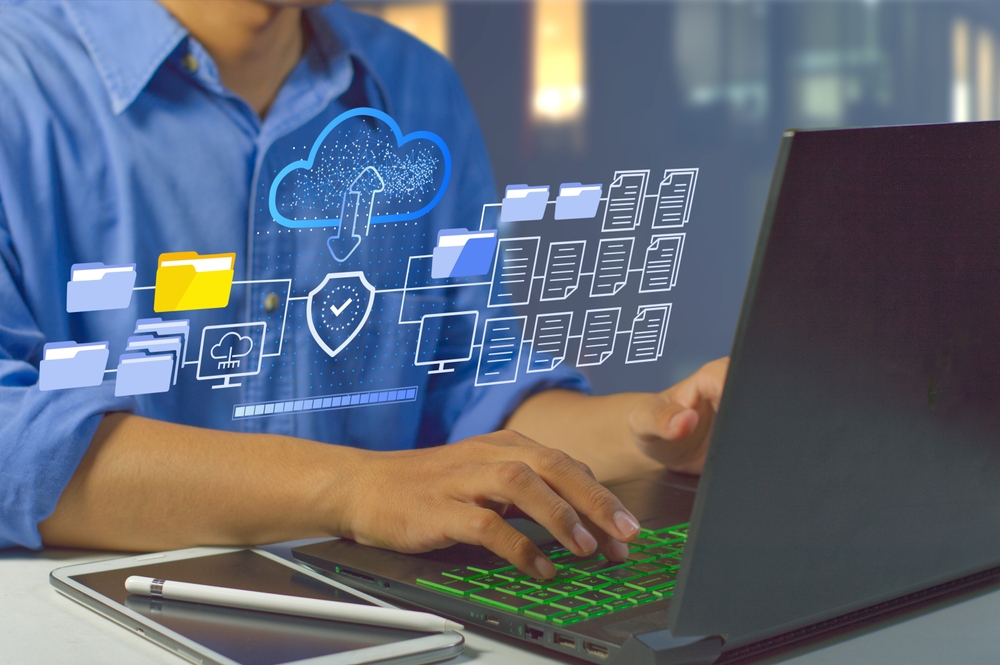
The 2025 Guide to a Smooth ERP System Migration

Migrating to a new enterprise resource planning (ERP) system can be a daunting process, but with careful planning and execution, it can also be an opportunity to modernize your business operations and improve productivity.

Whether you’re upgrading an outdated system or adopting an ERP solution for the first time, you want to ensure you experience a smooth transition. Here’s your 2025 guide to ERP system migration, covering everything from pre-migration planning to post-migration follow-up.

Pre-Migration Planning

Proper planning lays the foundation for a successful ERP migration. Key steps include:

  • Assess Business Needs: Identify specific challenges your current system cannot address. Engage stakeholders from various departments to understand their requirements and prioritize features that align with your business goals.
  • Choosing the Right ERP System: Evaluate ERP solutions based on scalability, functionality, and integration capabilities. Consider factors like industry-specific features, cloud versus on-premise deployment, and vendor reputation. Selecting the right system ensures it meets your needs now and in the future.
  • Creating a Detailed Migration Roadmap: Develop a step-by-step plan that outlines timelines, responsibilities, and key milestones. Include contingency plans to address potential risks or delays. A well-defined roadmap keeps the migration process organized and minimizes disruptions.

Data Transfer

Data is the backbone of any ERP system, so ensuring its quality and accuracy is critical. Follow these steps for effective data migration:

  • Cleaning Up Legacy Data: Before transferring data, eliminate duplicates, outdated records, and inaccuracies. Standardize formats to ensure consistency across the new system.
  • Ensuring Compatibility: Verify that your legacy data is compatible with the new ERP system. This may involve reformatting files or mapping fields to align with the new structure.
  • Securely Migrating Data: Use secure transfer protocols to protect sensitive information during the migration process. Perform incremental data transfers to reduce the risk of loss or corruption and ensure a smooth transition.

Post-Migration Testing and Training

Once your new ERP system is in place, the work isn’t over. Proper testing and training are essential to fully realize its benefits:

  • Rigorous System Testing: Conduct thorough testing to ensure the system is functioning as expected. Test workflows, integrations, and reporting features to identify and resolve any issues before full deployment.
  • Comprehensive Employee Training: Provide hands-on training sessions to familiarize employees with the new system. Tailor training to specific roles to ensure users can effectively perform their tasks. Supplement training with user manuals, FAQs, and ongoing support.
  • Monitoring and Optimization: After deployment, monitor system performance and gather feedback from users. Use this information to fine-tune processes, address any lingering issues, and ensure the system is meeting business needs.

Migrating to a new ERP system in 2025 doesn’t have to be overwhelming. With thorough pre-migration planning, careful data management, and robust post-migration support, your organization can achieve a seamless transition. By following best practices, you’ll not only avoid common pitfalls but also set the stage for greater efficiency, productivity, and growth in the years to come.

To get started with AccountMate, you need to work closely with experienced ERP consultants who can guide you through the selection and implementation process, ensuring that your ERP system aligns with your business’s immediate needs and long-term vision.

Are you considering a new ERP system? Contact our experts! We have local solution providers who can help you navigate the process. Contact us now or call 707-774-7537 to talk to someone about your specific needs.